

Quick answer
Key west snorkeling death incidents in the Florida Keys National Marine Sanctuary are rare but documented, typically involving pre-existing cardiac conditions, equipment problems, or sudden weather changes. Between 2018 and 2025, Monroe County recorded fewer than three snorkeling-related fatalities per year on average, with most involving visitors over 55 years old or individuals with undiagnosed heart conditions. The sanctuary's education programs and operator safety protocols have significantly reduced incident rates since 2020.
Most snorkeling fatalities in Key West waters share a common profile: sudden cardiac events triggered by physical exertion in an unfamiliar aquatic environment. Medical examiners consistently cite pre-existing cardiovascular conditions as the primary contributing factor in fatal incidents, even when drowning appears as the immediate cause. The combination of breath-holding, cold-water immersion response, and elevated heart rate creates physiological stress that healthy individuals manage without difficulty but can overwhelm compromised systems. The Florida Keys National Marine Sanctuary spans 2,900 square nautical miles of protected waters where visibility, current strength, and marine life behavior shift dramatically with tides and seasons. Charter operators departing from Key West harbor navigate these variables daily, adjusting routes when afternoon thunderstorms build over the Gulf Stream or when sea conditions exceed safe thresholds for recreational snorkeling. Equipment failure accounts for a smaller subset of incidents—poorly fitted masks that leak continuously, snorkels with faulty purge valves, or rental fins sized incorrectly all increase fatigue and panic risk. Staff emphasize that most emergencies develop gradually rather than suddenly: a snorkeler who seems tired and begins swimming back to the boat alone, or someone floating motionless longer than necessary between dives. Guides trained in the sanctuary's protocols watch for these behavioral markers and intervene before situations escalate. Prevention remains the most effective intervention. Visitors with known cardiac history, respiratory conditions, or who take medications affecting heart rhythm should consult physicians before booking reef excursions. The sanctuary recommends shorter initial snorkel sessions—20 to 30 minutes rather than extended multi-hour trips—for first-time participants over 50. Charter operators now carry automated external defibrillators and oxygen systems as standard equipment, and maintain direct radio contact with Coast Guard Station Key West throughout every trip. These measures, combined with mandatory pre-departure safety briefings, have contributed to declining incident rates even as annual visitor numbers continue to rise.
“Medical examiners consistently cite pre-existing cardiovascular conditions as the primary contributing factor in fatal incidents, even when drowning appears as the immediate cause.”
Safety Protocols to Prevent a Key West Snorkeling Death
Following marine sanctuary safety protocols protects both visitors and the fragile reef ecosystem. Proper snorkeling practices prevent accidents and preserve the underwater environment for future generations.
Do
- Check weather and water conditions before entering
- Snorkel with a buddy, never alone
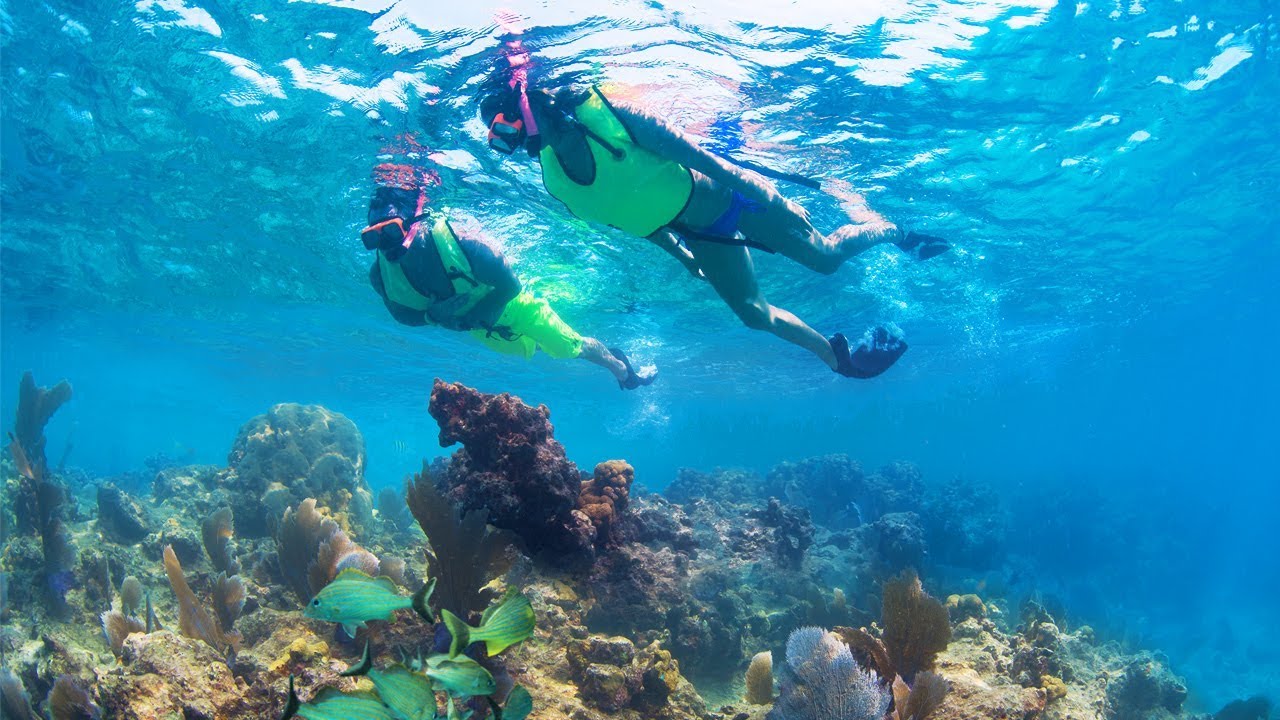
- Wear a brightly colored flotation device or vest
- Stay hydrated and apply reef-safe sunscreen before entry
- Signal for help immediately if feeling tired or distressed
- Maintain awareness of boat traffic in designated channels
Don't
- Touch or stand on coral formations
- Snorkel in strong currents or rough surf conditions
- Venture beyond your swimming skill level
- Ignore signs of fatigue, cramps, or disorientation
- Swim alone or separate from your group
- Enter the water without knowing emergency exit points
Common Mistakes Linked to Key West Snorkeling Death Risks
Snorkeling deaths in the Florida Keys often stem from preventable errors. Recognizing these behavioral failures can reduce risk.
Snorkeling alone in unfamiliar waters
Always snorkel with a partner and stay within visual contact. Solo snorkelers have no one to assist during medical emergencies or equipment failures.
Ignoring personal fitness limits and swimming too far offshore
Assess your endurance honestly before entering the water. Turn back well before fatigue sets in, and use flotation devices if needed.
Failing to monitor weather and current conditions before entering
Check marine forecasts and observe surface conditions from shore. Postpone trips when wind exceeds 15 knots or waves look choppy.
Hyperventilating before breath-hold dives to extend bottom time
Breathe normally before descending. Hyperventilation suppresses the urge to surface and can cause shallow-water blackout without warning.
Snorkeling while taking sedating medications or after alcohol consumption
Wait at least 24 hours after drinking and avoid snorkeling if taking drugs that impair coordination. Delayed reactions underwater significantly increase drowning risk.
Panicking when water enters the snorkel tube
Stay calm, surface, clear the tube by exhaling sharply, and resume breathing. Panic leads to aspiration and exhaustion.
Entrance Fees for the Key West Snorkeling Death Prevention Resources
Access to the Florida Keys National Marine Sanctuary Eco-Discovery Center, which provides educational resources regarding marine safety and reef protection, is provided at no cost to the public.
Best Time to Visit to Safely Understand Key West Snorkeling Death Hazards
The best arrival window is 09:00–11:00 to prioritize safety education regarding snorkeling hazards before water conditions potentially shift. Visiting early ensures you have sufficient time to consult with experts about local currents and conditions.
Weekday mornings
Minimal congestion for staff interaction—
Lower visitor volume allows for focused discussions on hazard awareness.
Spring (March–May)
Moderate; popular for calm seasHigh 70s to low 80s°F
Sea conditions are generally stable, providing clearer visibility for identifying potential underwater risks.
Autumn (October–November)
Low to moderate; post-summer lullHigh 70s to mid 80s°F
Reduced wind speeds often lead to calmer waters, aiding in safer observation of marine sanctuary conditions.
Verdict: Arrive between 09:00 and 11:00 on weekdays during the shoulder months of April or October for the most controlled environment to learn about snorkeling safety.
Check availability
Safety and Guidance Regarding Key West Snorkeling Death Concerns
Everything you need to know about key west snorkeling death